
Trentino Alto Adige (PIWI)
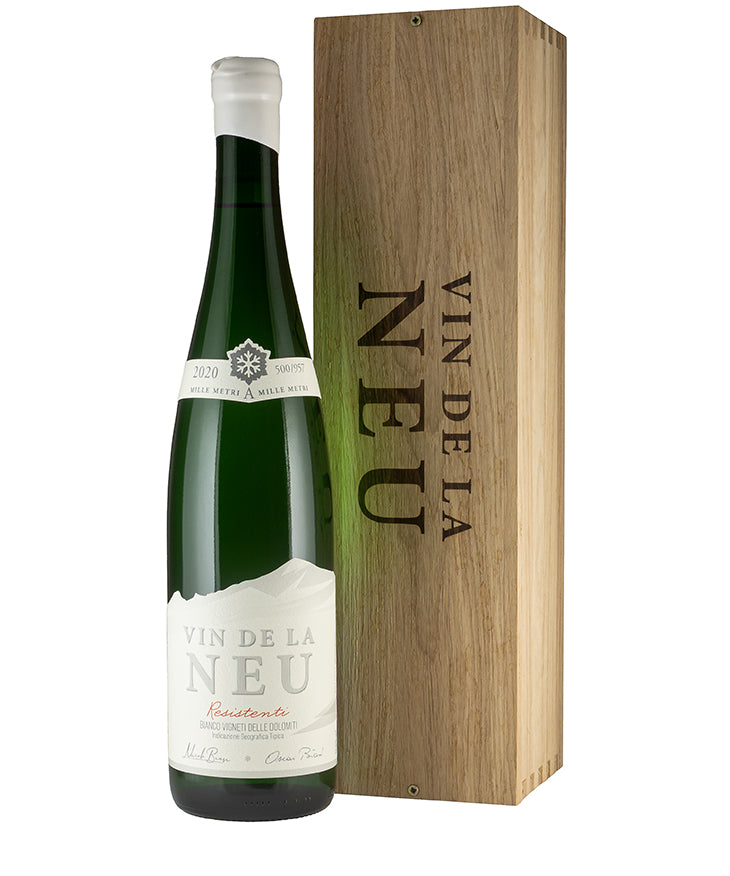
Nicola Biasi Vin de la Neu 2020
Couldn't load pickup availability
More Information
Share
Vin de la Neu 2021 by Nicola Biasi captivates with its precise and intriguing sensory profile. This extraordinary white wine reveals delicate aromas of lemon blossom, jasmine, linden, and ginger. Layers of fresh basil and green tea leaves add a secondary complexity, showcasing remarkable craftsmanship. Full-bodied yet harmoniously balanced, it offers a vibrant structure with a saline, focused finish that glides effortlessly on the palate. Only 886 bottles of this exceptional vintage have been produced, making it a rare gem for true connoisseurs.
The project, Resistenti Nicola Biasi, was born from the sharing of founding values of several PIWI wineries, first and foremost the meeting of quality and real sustainability. Vin de la Neu is a wine that was created to break the mold and to do something that had not yet been done. Precision viticulture at high altitudes, resistant vines (PIWI) for true environmental sustainability and enological management without compromises.
Nicola Biasi Vin de la Neu: the Producer
Nicola Biasi Resistenti is a network of wineries, made up of eight farms operating in different territories between Friuli, Veneto, and Trentino, from the Adriatic Sea to the Dolomites. Guided by enologist Nicola Biasi, they have chosen to produce wines that combine qualitative excellence with tangible sustainability, from the vineyard to the bottle. To do this, they have focused on vines resistant to fungal diseases, also known as PIWI. This safeguarding of the territory, combined with precision viticulture and dedicated, scrupulous enology, allows them to enhance the properties of these new varieties and win over even the most demanding palates.
PIWI wines: beyond Organics
PIWI wines are produced from fungus-resistant grape varieties, known as PIWI (from the German Pilzwiderstandsfähig), which are bred through natural crossbreeding to resist common vineyard diseases like powdery and downy mildew. These resistant varieties significantly reduce the need for chemical pesticides, making them a cornerstone of sustainable viticulture. As climate change and environmental concerns reshape the wine industry, PIWI wines offer a viable, eco-friendly solution by promoting biodiversity, reducing carbon footprints, and enabling low-intervention farming. With growing interest in organic wines and sustainable agriculture, PIWI wines are increasingly seen as the future of responsible winemaking.
Resistant grape varietals are today the best and most effective way to achieve truly sustainable winemaking. Their natural resistance to fungal diseases allows for a drastic reduction in the number of treatments, for an effective protection of the environment, the territories, and the people.